
- Home »
- Business Bankruptcy
Business Bankruptcy
What the First Brands Implosion Teaches Lenders about Cash Collateral in Bankruptcy

A recent federal court decision offers a stark lesson for lenders about the automatic stay, adequate protection, and the use of cash collateral.
Read MoreForeign Third-Party Releases Survive Purdue Pharma, At Least in Chapter 15

A nonconsensual third-party release approved by a Mexican court can be enforced in the United States under Chapter 15 of the Bankruptcy Code.
Read MoreWhen the Top Hat Tips: Protecting Executive Compensation from the Creditors’ Hit List

When Chapter 11 looms, NQDC arrangements and ‘top-hat’ plans can quickly transform from retention tools into contested liabilities.
Read MoreDIP Financing: How Companies Fund a Chapter 11 Case

DIP financing is a specialized form of lending that allows a bankrupt company to borrow money after filing for bankruptcy protection.
Read MoreUnderstanding Lift Stay Motions in Chapter 11

The lift stay motion is a procedural tool that often shapes leverage, timing, and outcomes in a Chapter 11 case long before a plan is ever confirmed.
Read More‘Void’ Judgments Are Not Void After All
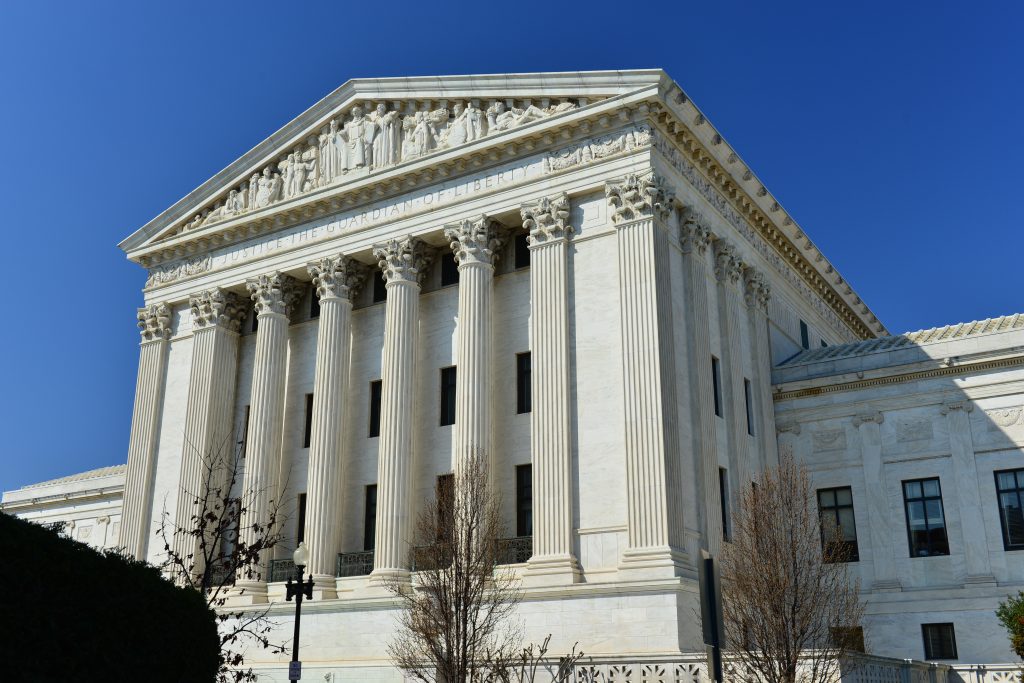
The recent Supreme Court decision in Coney Island Auto Parts Unlimited, Inc. vs. Burton alters the landscape for all federal litigation. Learn why.
Read MoreWhen a Bad Debtor Owes You Money

Early signs of customer financial distress can quickly snowball into serious cash-flow problems, especially for third-parties who depend on steady receivables.
Read MoreValuing Real Estate Assets in Distress: Ethical Considerations

In distressed situations, real estate valuation becomes a strategic tool that can ultimately determine who ends up controlling an asset.
Read MoreThe Prepack Primer: The Origin, Evolution, and Overview of the Prepackaged Bankruptcy

In a ‘prepack bankruptcy’ the debtor negotiates a plan, solicits votes, and obtains the necessary votes in favor of the plan before the case is filed.
Read MoreUnderstanding the Chapter 11 Plan

A Chapter 11 plan is often described as the heart of a bankruptcy case. A confirmed plan determines what the business looks like when the case is over.
Read More